Organizing Really Fucking Sucks Sometimes
By Sidney Ayers Young — Owner
May 24, 2026
Article Contents
1. Organizing Really Fucking Sucks Sometimes
The emotional reality of organizing and why decluttering can feel exhausting, vulnerable, and overwhelming for many people instead of motivating or satisfying.
2. Opening Thoughts
My honest perspective as a professional organizer and explains why organizing often feels emotionally heavy long before the actual work begins.
3. Why Organizing Feels So Heavy for So Many People
The emotional, mental, and physical reasons clutter feels overwhelming, including stress, ADHD, burnout, caregiving, grief, and the unrealistic expectations people place on themselves.
4. The Story I’ll Never Forget: When a Gift Card Went Wrong
A real-life story about a surprise organizing session that unintentionally caused shame and discomfort, highlighting the importance of consent and emotional readiness in the organizing process.
5. Why Readiness Matters More Than Anything
Why successful organizing depends more on emotional readiness than systems, bins, or motivation. Slow down, feel safe, and take control of your process.
6. What I Wish Everyone Knew
Organizing is not a measure of worth, discipline, or morality. I encourage compassion, humanity, and realistic expectations when approaching clutter and overwhelm.
7. The Bigger Takeaway About Organizing and Compassion
Organizing works best when people feel supported instead of judged, and why kindness and emotional understanding matter more than perfection.
Why readiness matters more than labels, bins, or anyone else’s expectations
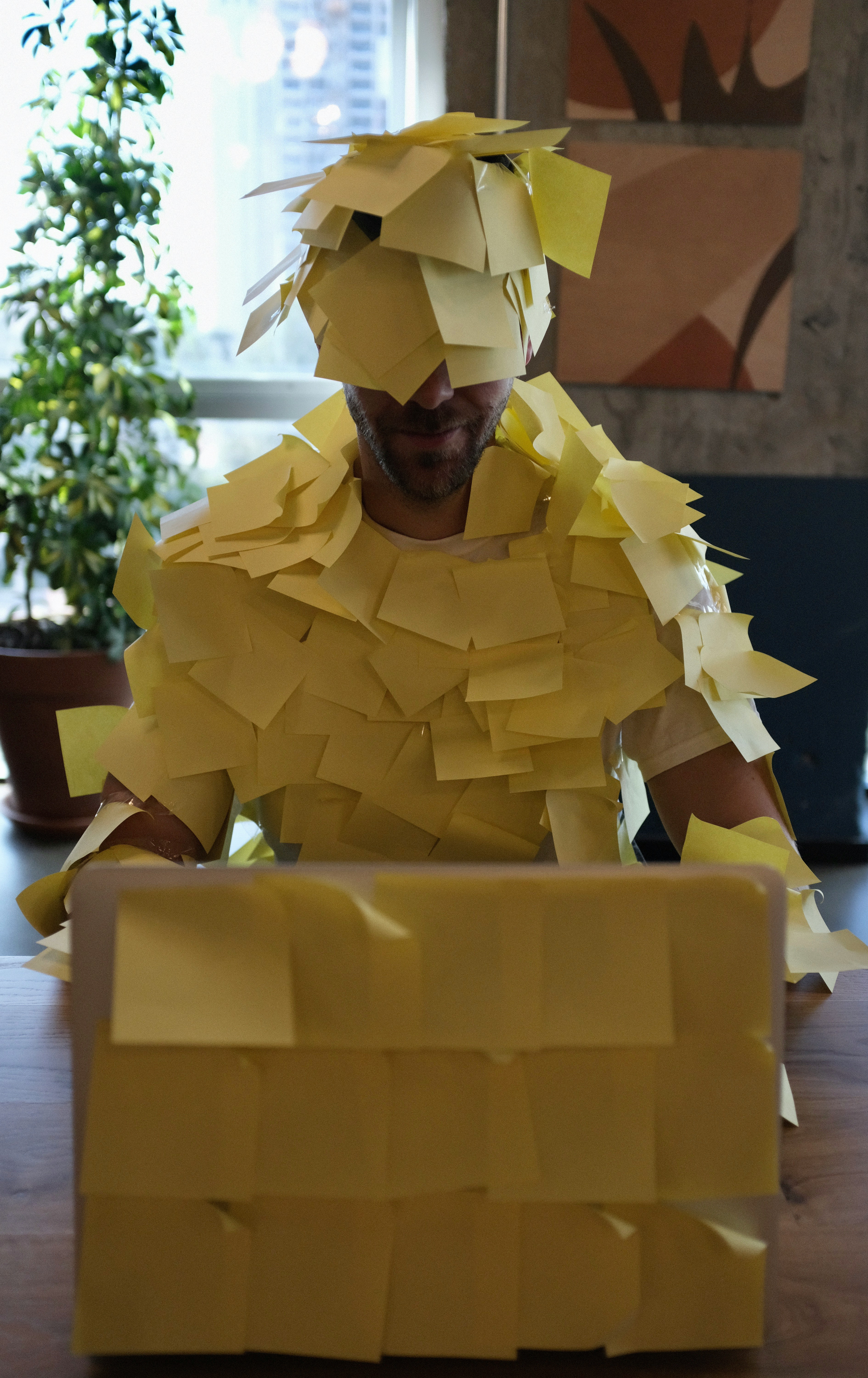
Organizing really fucking sucks sometimes. There, I said it. Not for everyone — some people genuinely enjoy sorting, clearing, and putting things in their place — but for a huge percentage of the world, the idea of “getting organized” feels like a dentist appointment for your soul.
Every week, I walk into homes in Chapel Hill for pantries, garages, closets, you name it. And before we even start, I usually ask some version of the same question:
“How are you feeling about today?”
or
“Are you excited to dive in?”
It’s light, it’s playful, and it tells me everything I need to know about where someone is emotionally. And at least 60% of the time, the answer is something like:
“Honestly? I couldn’t sleep last night.”
Not because I’m scary. Not because they don’t want help. But because letting someone into your home — into your stuff, your habits, your overwhelm — is vulnerable. It’s intimate. It’s emotional.
And we don’t talk about that enough.
Why Organizing Feels So Heavy for So Many People
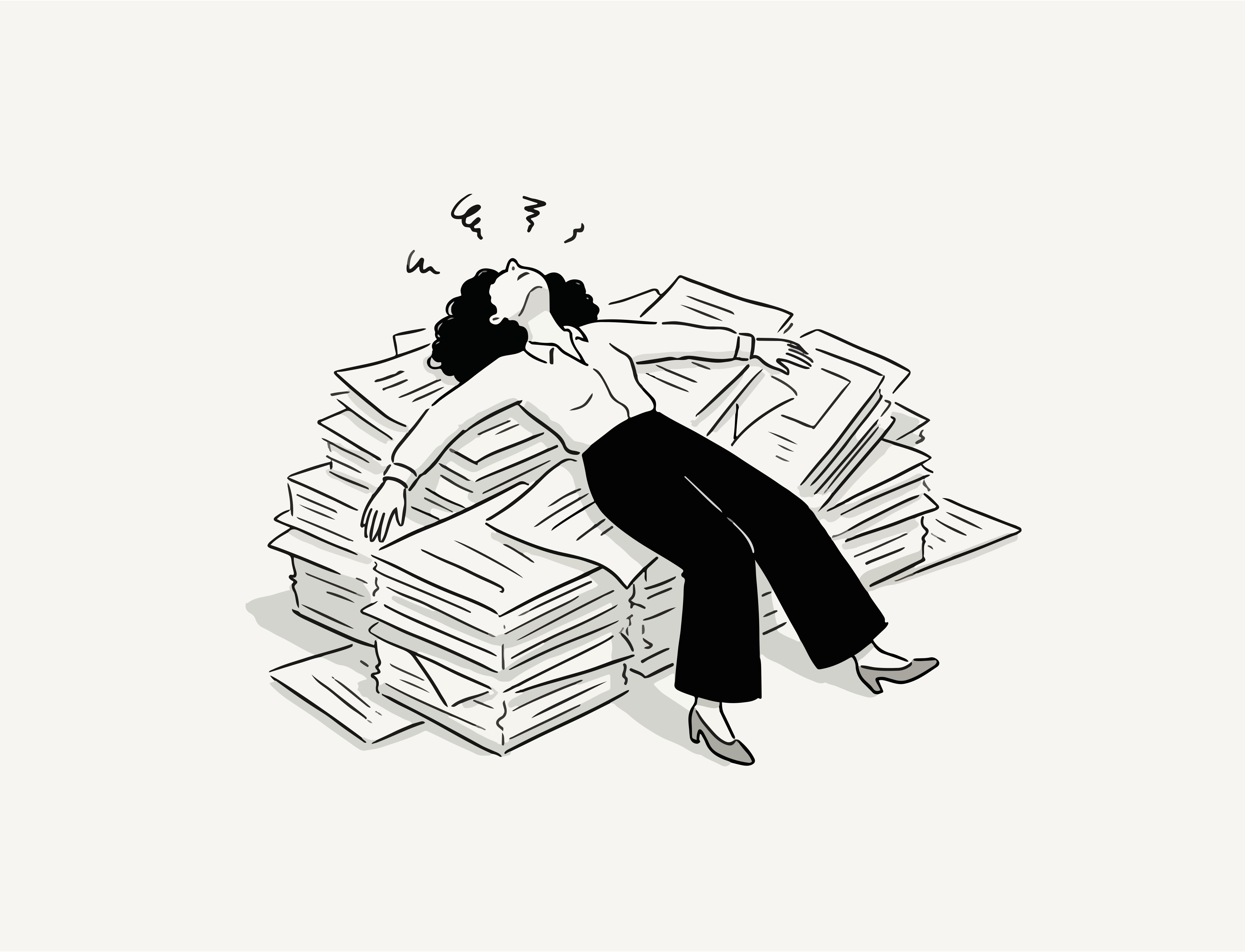
There’s this weird cultural divide: the “organized people” and the “everyone else.” And the organized crowd can sometimes act like they’re part of a secret club (systems! routines! bins!) while the rest get labeled lazy, messy, unmotivated, or undisciplined.
But the truth is far more human.
Clutter increases cortisol, especially in women — your body literally interprets mess as stress.
54% of Americans say they feel overwhelmed by the amount of clutter in their homes.
78% don’t know where to start.
People with ADHD or executive dysfunction often experience task paralysis, not procrastination.
None of that makes someone a bad person. It makes them a person with a life, a brain, responsibilities, emotions, and history.
Sometimes you’re not organized because you’re exhausted.
Sometimes because you’re grieving.
Sometimes because you’re caring for everyone but yourself.
Sometimes because you’re pregnant with two kids under five and just trying to get through the damn day.
And sometimes? You just don’t feel like it.
That’s allowed.
The Story I’ll Never Forget: When a Gift Card Went Wrong

A few years ago, a neighbor hired me. She bought a gift card... but not for herself. It was for her daughter.
Her daughter was pregnant, had two little kids, a nice home, and a mother who spoke very highly of her. We scheduled a consultation, but the consultation was at the mother’s house, not the daughter’s. That was the first red flag.
I always tell people:
The person I’m organizing is the client (not the person who paid for the service).
So I kept asking questions, waiting for the daughter to arrive, trying to understand what the actual project was. The mother kept stalling. Finally she said:
“Well, we’re going to visit my daughter today. It’s her birthday. This is her birthday gift.”
I had already told her on the phone, “Please make sure she knows I’m coming. We don’t want this to get awkward.” And I could feel in my gut that awkward was exactly where we were headed.
We left her house and drove two blocks to her daughter’s home. I followed behind her, and the whole time I’m thinking, This is not going to go well.
And oh, it didn’t.
The daughter opened the door dressed beautifully — hair done, makeup done, outfit like she was heading out to a fancy dinner. She was glowing. It was her birthday.
And then she saw me — a stranger — standing next to her mother.
I watched the light in her eyes dim. Just a little, but enough. Enough to know she had no idea this was happening. Enough to know she felt blindsided. Enough to know she felt judged.
She was polite. She let us in. We talked for a few minutes. But the energy was off. She wasn’t ready. She didn’t want this. She didn’t ask for this.
I left my card and left the house.
It was a complete waste of my time.
A complete waste of her mother’s money.
And I guarantee there was a huge argument after I walked out the door.
Because when someone surprises you with a professional organizer, what you often hear is:
“I think you’re failing.”
“I think your home isn’t good enough.”
“I think you need fixing.”
And that’s not what organizing is about.

Why Readiness Matters More Than Anything
This is why I ask some version of, “How are you feeling about today?”
This is why I slow down when someone hesitates.
This is why I sometimes cancel instead of rescheduling.
Because organizing is not about bins or labels or pretty pantries. It’s about emotional readiness.
When someone is ready, the work flows.
When someone isn’t, the work becomes shame.
I’ve had consultations where we sit down, talk through the project, and I can feel it. They’re not ready. Their shoulders are tight. Their breathing is shallow. Their eyes dart around like they’re bracing for impact.
So we pause. We talk. We cancel.
Not reschedule,cancel.
Canceling gives them space.
Canceling gives them control.
Canceling lets them come back when they decide they’re ready.
And most of them do.
And some of them don’t.
And both are okay.
What I Wish Everyone Knew
Organizing isn’t a moral virtue.
It’s not a personality test.
It’s not a measure of your worth.
It’s a tool, one that works beautifully when you’re ready for it, and one that feels like punishment when you’re not.
People don’t need judgment.
They don’t need perfection.
They don’t need a Pinterest pantry.
They need compassion.
They need honesty.
They need someone who sees the whole person, not just the piles.
Organizing really fucking sucks sometimes, but it sucks a lot less when you’re met with kindness, humor, and humanity.
And that’s why I’ll keep asking some version of, “How are you feeling about today?”
Because the answer tells me exactly how to show up for you.
Related Posts

Organizing as Self-Care:The Invisible Mental Load on Women
True self-care isn't just bubble baths and manicures...sometimes, it’s removing the physical and mental weight of an unmanaged home. Women carry a massive mental load when it comes to household clutter, especially during big life transitions. Discover why outsourcing your organization isn't a luxury, but a profound way to reclaim your peace, your time, and your sanity.
READ MORE